
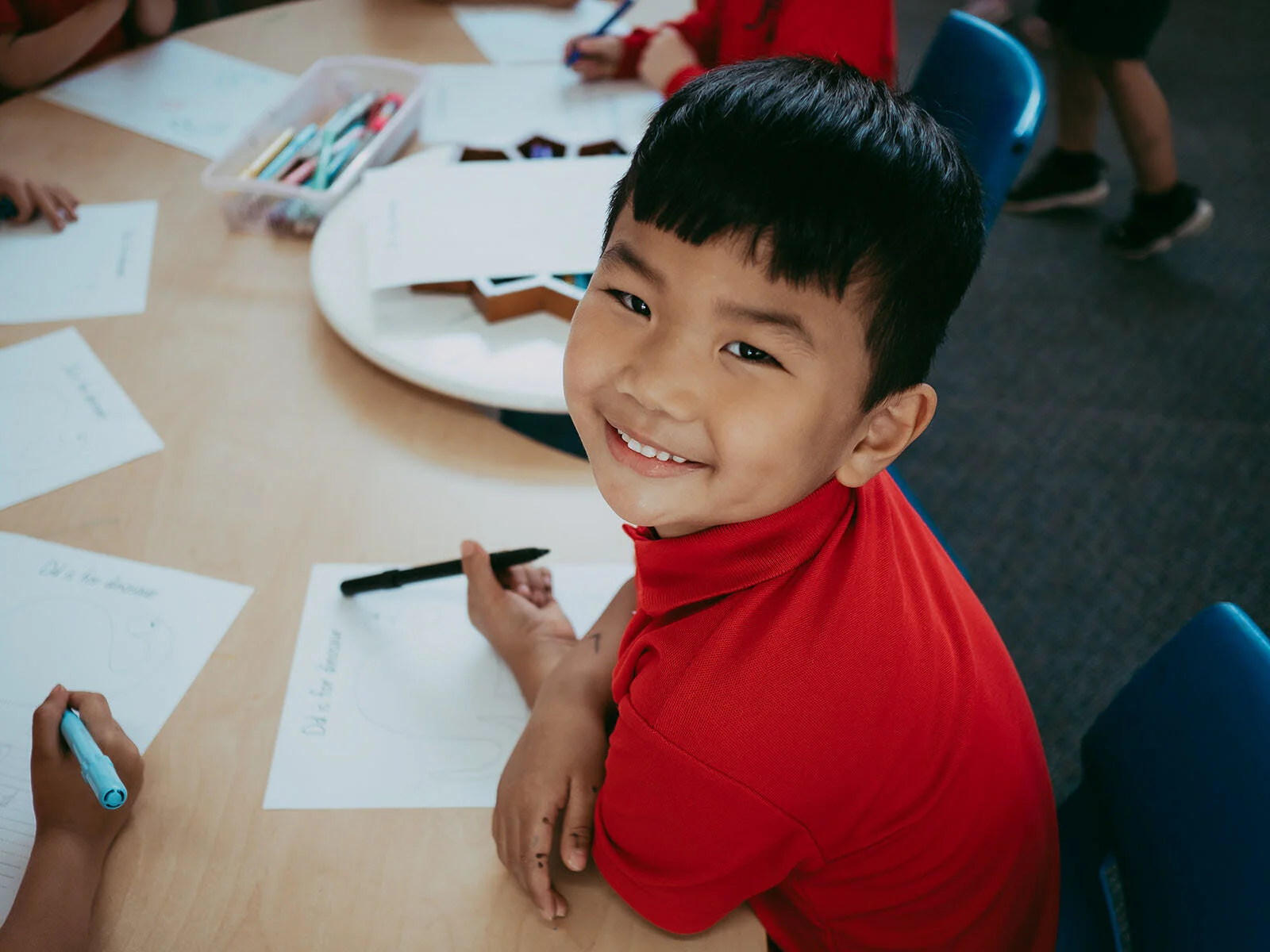
In the classroom
Wellbeing matters
At Fairfield Primary School, we recognise the deep connection between wellbeing and learning—children learn best when they feel happy, safe, and supported.
Wellbeing and learning go hand in hand—when students feel valued, they are more confident to explore new ideas, take on challenges, and grow both academically and personally. At the same time, the joy of learning and ‘exercising the brain’ strengthens their sense of wellbeing. That’s why student wellbeing is at the heart of everything we do.
Teacher–student relationships
Central to our approach is the climate of care and respect that teachers cultivate in their classrooms. Our teachers build positive relationships with their students, understand their interests, and recognise how they learn best. By making thoughtful adjustments, they ensure every child feels a sense of belonging, can participate fully, and knows they can ask for help when needed.
The year begins with our Start Up program, which allows teachers and students to spend the first weeks establishing routines, exploring School Wide Positive Behaviour Support (SWPBS) expectations, and simply getting to know one another. These activities answer practical questions such as “Where do I put my bag?” or “What will I learn in maths this year?” while also creating opportunities for students to share their interests — even something as light-hearted as their teacher’s favourite AFL team. Through this program, teachers gain valuable insights into each child’s strengths and areas of need. This sets the tone for a supportive classroom community that lasts all year.
School-wide positive behaviour supports (SWPBS)
Our SWPBS framework is tailored to our school and reflects our commitment to a safe, inclusive environment where students can thrive. The matrix of expected behaviours was created collaboratively with staff and students, and derived from behaviour data collected by the teachers. Each week, the whole school focuses on one behaviour, through explicit teaching and acknowledgement when students demonstrate it.
We view behaviour as a form of communication. A student sitting attentively on the floor signals readiness to learn, while a teacher pointing to their ear communicates the need to listen. When behavioural expectations are not met, we ask: What is this behaviour communicating? and How can we help meet the student’s needs? This approach ensures that follow-up responses are grounded in empathy and understanding.
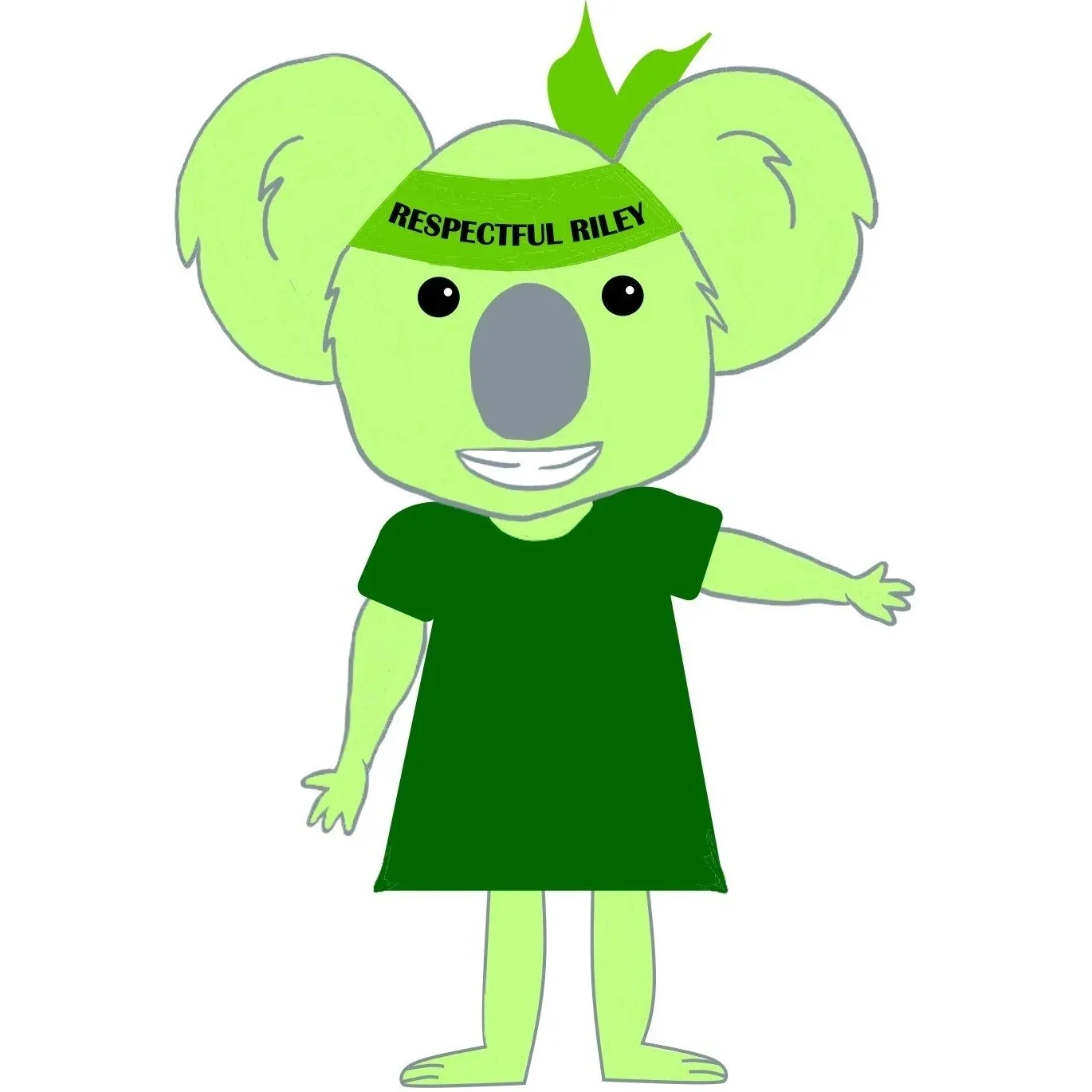
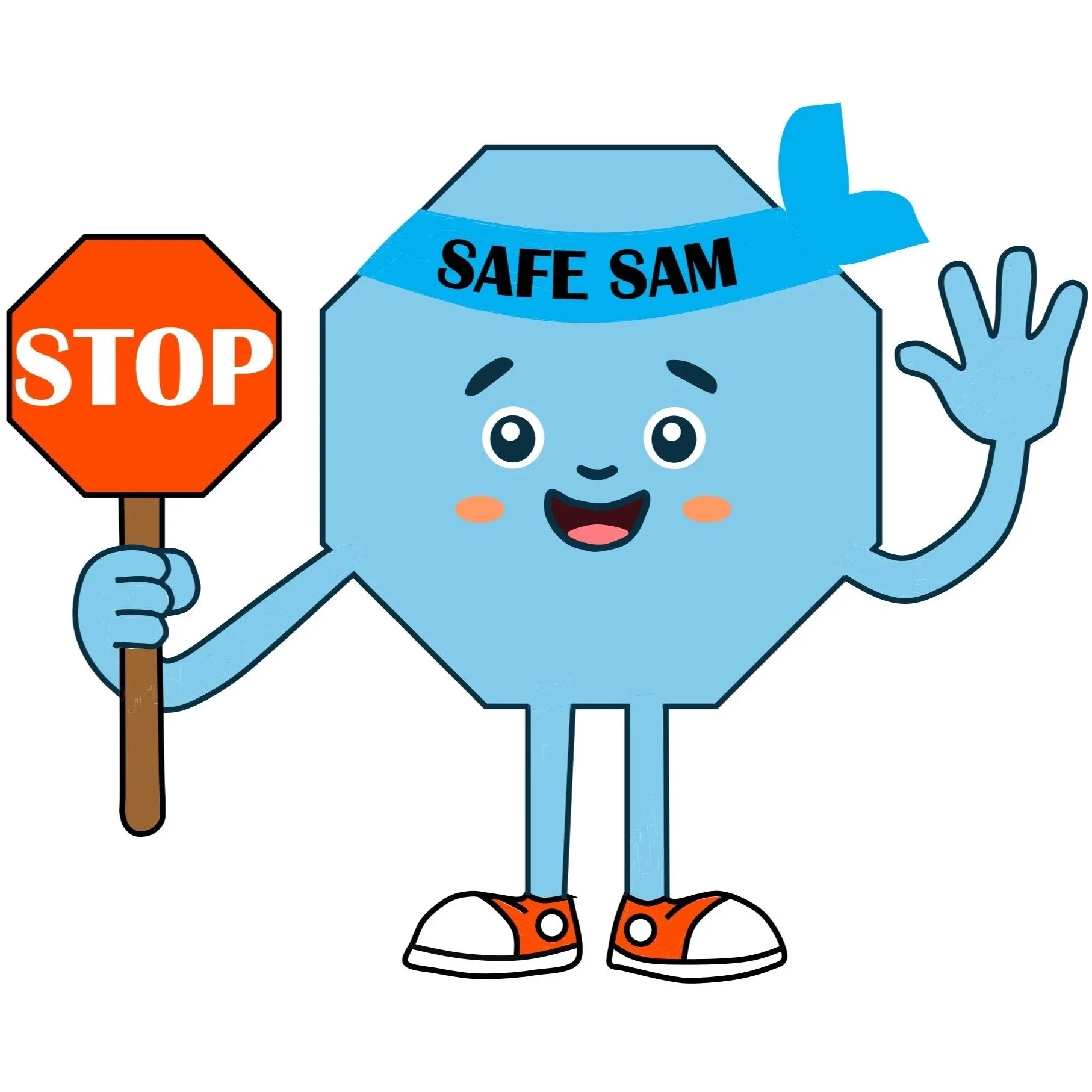
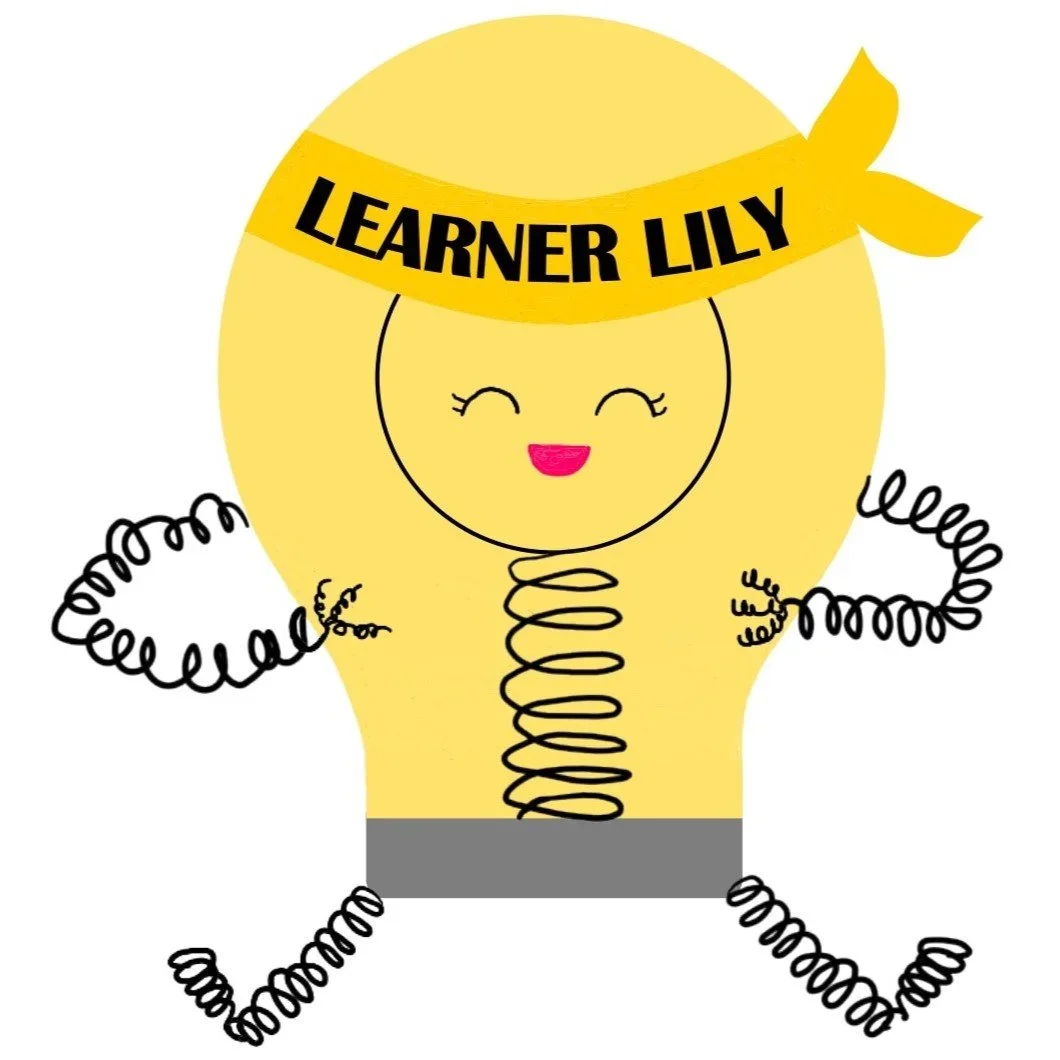
Below are our student-designed SWPBS characters. Each reflects an important behavioural expectation from the SWPBS Matrix—Be Respectful, Be Resilient, Be a Learner, Be Safe.
Find out more about SWPBS.
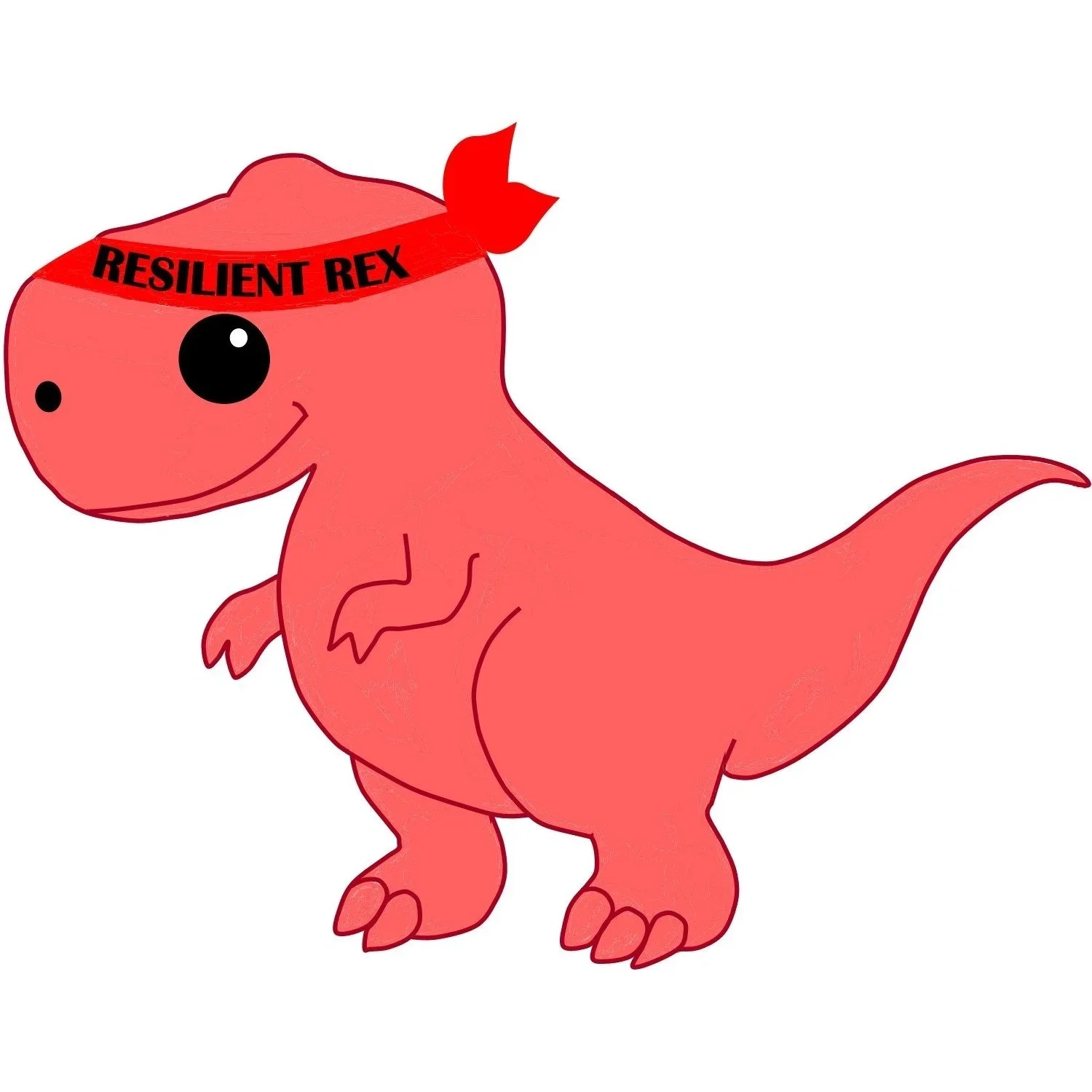
Resilience, rights, and respectful relationships (RRRR)
The RRRR curriculum, developed by the Department of Education, is taught weekly across all year levels. It helps students build social and emotional skills, resilience, and positive relationships. Topics include emotional literacy, coping strategies, problem solving, stress management, help‑seeking, and respectful gender relations.
Through these lessons, students learn to recognise their personal strengths, manage challenges, and understand the importance of equality, inclusion, respect for all genders, and human rights.
Find out more about RRRR.
Bullying prevention
At Fairfield Primary School, bulling is identified as the deliberate and repeated misuse of power intended to cause harm. It may be physical, verbal, social, or online. Through SWPBS, students participate in six dedicated bullying prevention lessons, where they learn to distinguish between bullying and disrespectful behaviour. Importantly, they are taught how to respond when they experience or witness such behaviour, using the simple but effective “Stop, Walk, Talk” strategy.
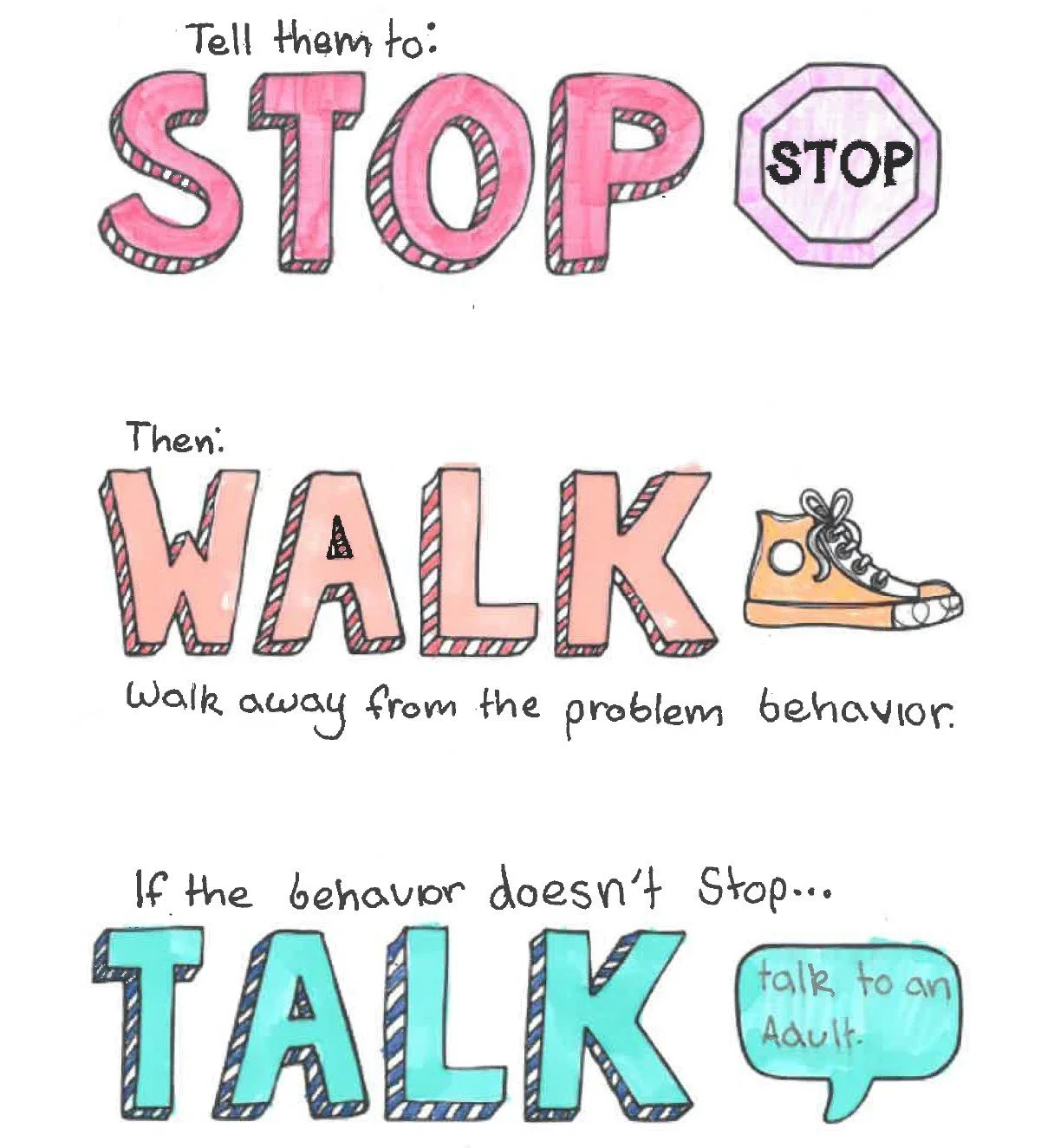
“Stop, Walk, Talk” strategy
Restorative practice
When conflicts arise, our focus is on restoring relationships—this is known as restorative practice. Restorative practice ensures that all voices are heard, students reflect on the impact of their words and actions, and that solutions are agreed upon collectively. This process helps students learn about the impact of their behaviour, to forgive (if appropriate), and helps everyone move forward with a sense of community.
Find out more about Restorative Practice.
Talking the Talk — healthy sexuality education
Talking the Talk is the Healthy Sexuality Education program taught across the school, from Foundation – Grade 6. This program supplements the RRRR curriculum and aligns with the Australian Curriculum. Students explore age-appropriate topics such as consent, safe and unsafe feelings, the importance of identifying trusted adults, puberty, and reproductive systems. Lessons emphasise safety, respectful relationships and consent knowledge, ensuring students are equipped with knowledge and confidence as they grow.
Find out more about Talking the Talk.
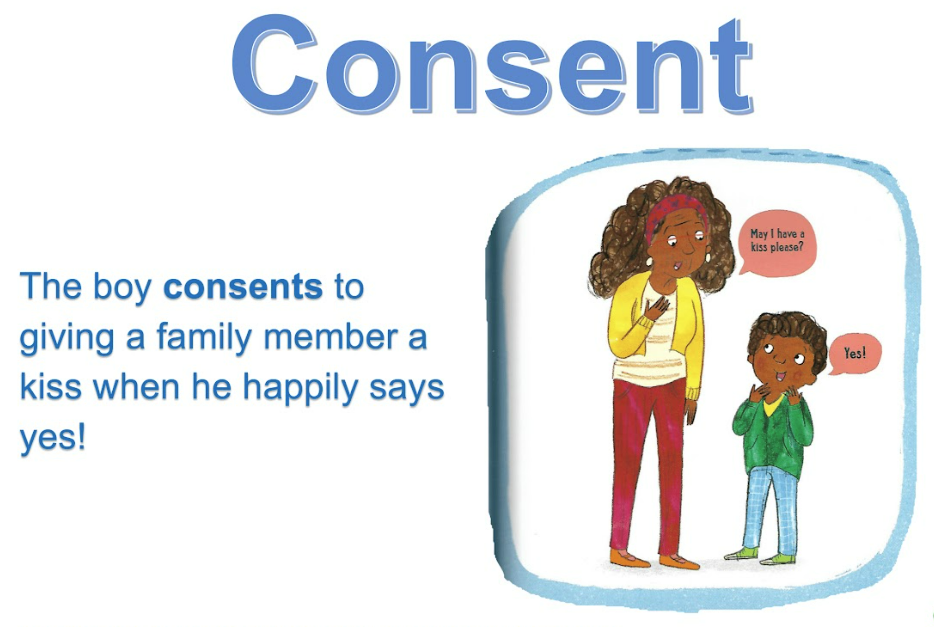
Source – Talking the Talk
Neuro-affirming approaches
We are proud of our inclusive practices that support all learners. Classrooms are equipped with flexible seating (wobble stools and spiky cushions), sensory tools (noise minimising earmuffs, hand fidget tools), and quiet spaces to meet diverse needs. Teachers plan collaboratively each week, considering emotional, social, sensory, and cognitive factors. This may involve designing multiple entry points into activities, anticipating stressors, or incorporating movement breaks. Where appropriate, we work closely with Allied Health teams to ensure effective practices and routines are in place to support social, emotional, and academic learning.
LGBTQIA+ inclusion
Fairfield Primary School celebrates diversity in all its forms. Lessons on gender norms and stereotypes, and positive gender relationships are covered in the RRRR curriculum and connected to the Talking the Talk program. At our school, we ask staff and visitors to use inclusive language and avoid grouping students by gender, and we warmly welcome diverse family structures. Every student, regardless of sexuality, gender, identity, or culture, is valued and respected.
Disability inclusion profile (DIP)
The Disability Inclusion Profile (DIP) is part of the Department of Education’s reform to strengthen inclusive education across the school system. It helps schools and families identify a student’s strengths and goals, functional needs, and the adjustments required to support them. The profile also determines student-level funding, used by the school, to support individual students with complex needs.
Working together
We believe wellbeing flourishes when schools, families, and communities work in partnership. Together, we help students develop strategies that support positive mental health and resilience, enabling them to thrive academically, socially, and emotionally — both during their years at Fairfield Primary School and beyond.
If you have any concerns about your child’s wellbeing, please reach out to their teacher or to our Wellbeing and Disability Inclusion Leading Teachers, Cathy and Grace.
Additional supports
We encourage families to access external services when needed, including:
Kids Helpline (mental health for young people aged 5 – 25)
Headspace (for young people aged 12+)